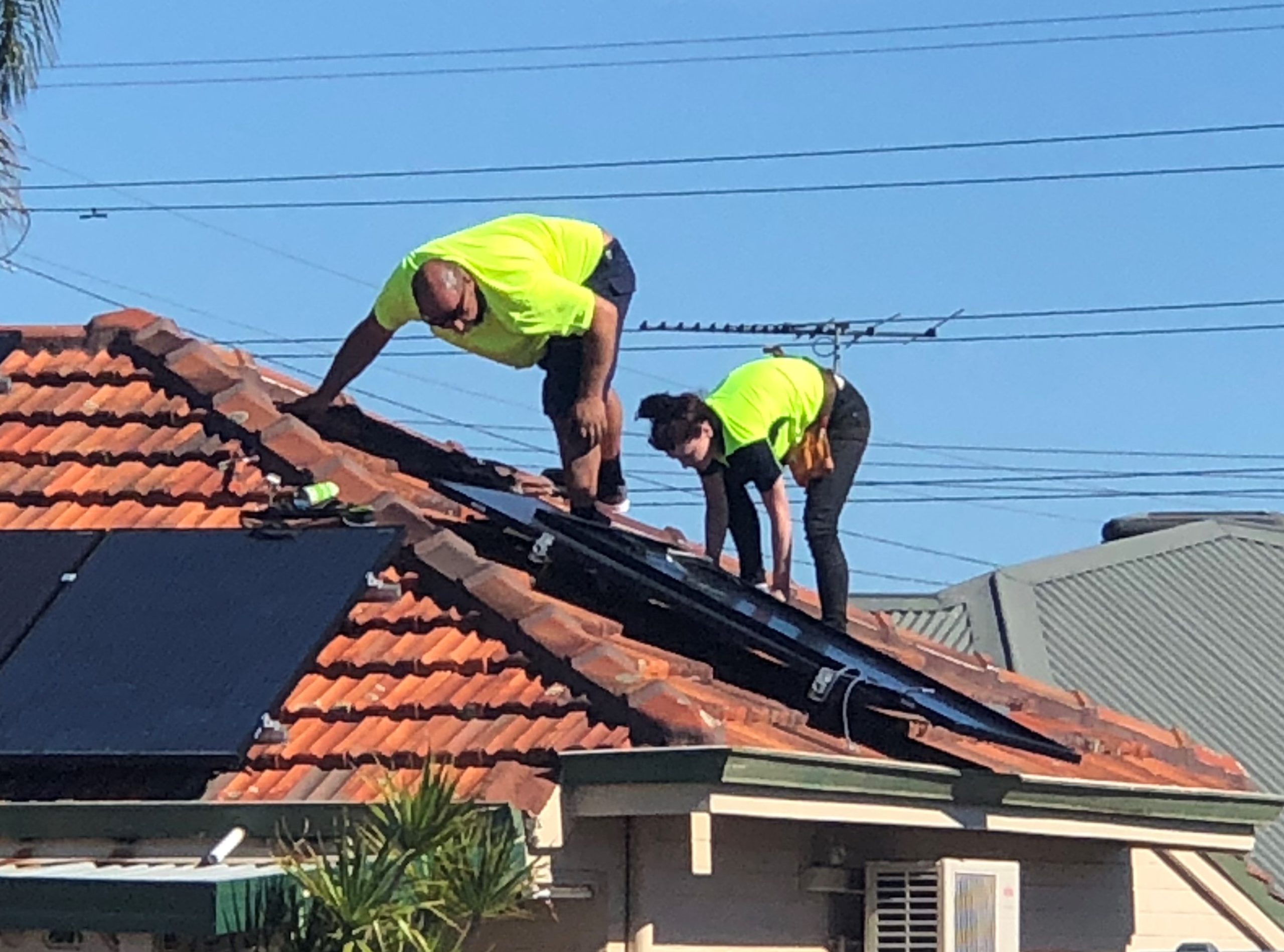
Perth weather can catch you off guard.
One afternoon, it’s perfectly still, and by evening, strong gusts are tearing across rooftops. What most homeowners don’t realise is that winds as low as 60–80 km/h can start to shift tiles that aren’t properly secured, and Perth sees plenty worse than that.
Wind damage on a roof rarely looks dramatic at first. It starts small, with a tile lifting slightly and a gap forming. Then rain gets in, and before you know it, you’ve got leaks, ceiling stains and repair bills you could have avoided.
How Wind Damages Roof Tiles
Wind doesn’t need to be extreme to cause problems. It works through pressure differences: air flows over your roof, pressure above the tiles drops, and the higher pressure underneath pushes upward. That’s wind uplift, and it’s the main reason tile roof wind damage happens even in a fairly moderate storm.
One lift might not seem like a big deal. But repeated over multiple storms, and you get:
- Gradual loosening of tiles
- Misalignment and gaps
- Weakened fixing points
- Tiles that shift or come off entirely
Why Some Roofs Are More Vulnerable
Not every roof reacts the same way to wind. A few common factors that make tile roof wind damage more likely:
- Age of the roof: tiles become brittle over time, mortar cracks, and the whole structure loses its grip. Roofs over 15–20 years old are significantly more exposed.
- Poor original installation: if tiles weren’t overlapped correctly or fixed properly from the start, wind damage on a roof is almost inevitable.
- Damaged bedding and pointing: the mortar holding ridge caps in place breaks down from heat and weather cycles. Once it cracks, tiles shift far more easily.
- Roof pitch and design: certain angles and shapes create turbulence zones that put more stress on specific sections of the roof.
Signs Your Tiled Roof Has Wind Damage
Most homeowners miss the early signs until water is already coming through. Keep an eye out for:
- Tiles sitting unevenly or raised at the edges
- Visible gaps between tiles
- Ridge caps that look cracked or have shifted
- Water stains on ceilings after rain
- Rattling sounds during windy weather
- Tile fragments or debris in gutters
If any of these sound familiar, it’s worth getting roof repairs in Perth sorted before things get worse.
How to Protect Your Roof from Wind Damage
Prevention is always cheaper than repair. A few things worth doing:
- Get regular inspections: Once a year at minimum, and always after a major storm event. Catching a loose tile early saves a lot of money.
- Make sure tiles are properly secured: Mechanical fixings like clips or screws are far more reliable than relying on mortar alone.
- Maintain your ridge caps: Repointing cracked mortar and replacing deteriorated bedding keeps the most stress-prone part of your roof stable.
- Replace damaged tiles quickly: One loose tile puts pressure on the tiles around it. It’s a chain reaction you want to stop early.
- Don’t ignore minor issues: A small crack or slightly shifted tile might seem harmless, but left alone, it’s an open invitation for the next storm to do real damage.
When to Call a Professional
Some things are fine to monitor. Others need a roofer on-site.
Call for Perth leaking roof repair if you notice ceiling water stains or damp patches after rain, or a musty smell coming from your roof space.If tiles have visibly shifted or come off, or a storm has just rolled through, don’t wait. Emergency roof repair in Perth is always the right call.
If you’re unsure about the condition of your roof, the easiest starting point is to book a roof inspection with Jamart Roofing. Our experienced roofers can identify small issues before they turn into leaks or costly repairs.
Wind damage on a roof tends to build quietly. By the time it’s obvious, it’s already expensive. Stay ahead of it.