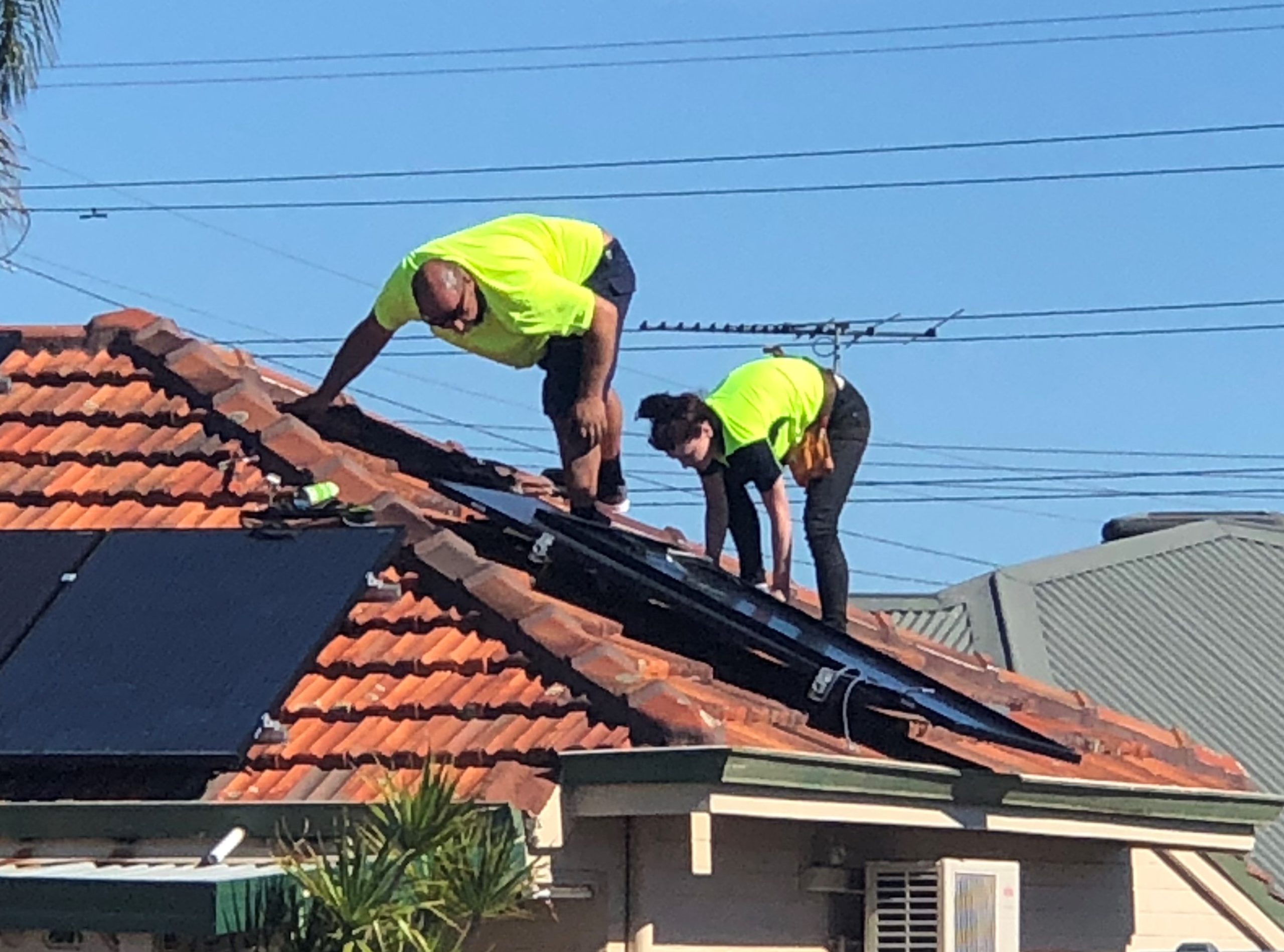
Perth storms move fast. One minute it’s overcast, the next you’ve got strong winds, heavy rain and a damaged roof.Storm damage roof repairs are one of the most common calls we get, and the homeowners who act quickly always come out better than those who wait.
Below, we cover what to look for, what to do straight after a storm and when to call forprofessional storm damage repair.
What Storm Damage Looks Like
Storm damage roof repairs cover a wider range of issues than most people expect. It isn’t always missing tiles or obvious holes. Common damage includes:
- Cracked or displaced tiles: High winds can lift and shift tiles, leaving gaps that let water straight in. Some cracks are invisible from ground level but cause significant leaks during heavy rain.
- Damaged flashing: The metal strips around chimneys, skylights, and roof edges get bent or torn loose in storms. Flashing damage is one of the most overlooked causes of post-storm leaks.
- Blocked or broken gutters: Debris, branches and heavy rainfall can block or crush gutters, causing water to overflow against the fascia and into the roof cavity.
- Lifted ridge capping: Ridge caps take the brunt of wind exposure. When the mortar gives way, they lift, and water gets into the highest point of your roof.
- Tree and debris impact: Branches and airborne debris can crack tiles or puncture roofing materials in ways that aren’t immediately visible from below.
What to Do Right After a Storm
- Stay safe first, don’t go on the roof. Storm-damaged tiles can collapse underfoot, and wet surfaces are extremely slippery. If you’ve got powerlines down or visible structural damage, stay clear.
- Document everything once it’s safe. Photograph all visible damage from the ground, inside and outside. Timestamped photos make insurance claims significantly easier.
- Contact your insurer and lodge your claim as soon as possible. Storm damage is covered under most Australian home insurance policies. Lodging early really helps, especially after major weather events when claim volumes are high.
- Call a roofer for an assessment. A professional can spot damage that’s invisible from ground level. If anything’s leaking or exposed, emergency roof repair in Perth should be your first call.
Temporary vs Permanent Storm Roof Repairs
If water is entering your home, the immediate priority is stopping it. A temporary tarp or cover buys time while a proper assessment is done. It won’t fix the problem, but it keeps your home protected while we work out what’s actually needed.
Permanent storm damage roof repairs depend on what’s actually damaged. What’s involved depends on the damage. It could mean replacing tiles, reflashing junctions, re-bedding and repointing ridge caps, or clearing and refitting the gutters.
Worth flagging: if water has already got into your roof cavity, you’ll need to deal with the interior damage at the same time as the roof repair. Sealing the roof while insulation and ceiling materials stay wet is a fast track to a mould problem.
Why Professional Storm Damage Repair Is Worth It
DIY fixes after a storm might seem tempting, but storm roof repairs involve more than replacing a tile or two.Professional storm damage repairs include a full assessment of the roof surface, the underlayment and the internal cavity, including the damage you can’t see from the ground.
Getting it done the first time properly means you’re not calling a roofer again six months later because the underlying issue was missed.
If your roof has been damaged in a storm, contact our Perth roofing team or start with Perth leaking roof repairs if water is already getting in. And for ongoing peace of mind, roof repairs in Perth from our Jamart Roofing team that know local weather conditions are worth having on hand.